Impact of US Tariff Increases on the Global Industrial Drone Industry
Introduction
The 2024 U.S. decision to slap 25% tariffs on Chinese industrial drones is shaking up global supply chains. With China commanding over 70% of the market in key sectors—from crop-spraying and firefighting drones to energy inspections and solar panel maintenance—this policy sends ripples worldwide. Here’s how the chips may fall:
1. Where the Tariff Bites Hardest
(1) Agricultural Spraying Drones
As the world’s farm drone factory, China’s dominance means:
(1)20-30% price jumps for North American buyers, hitting large farms hardest
(2)Export pivots to Latin America/Africa as markets absorb surplus
(3)Southeast Asian assembly hubs accelerating, though flight controllers still ship from China
(2) Firefighting & Public Safety Drones
But here’s the thing: emergencies don’t wait for tariffs.
(1)U.S. may lean toward domestic players like Skydio, but China’s cost-performance edge holds
(2)Thermal imaging drones remain China-dependent – no easy substitutes
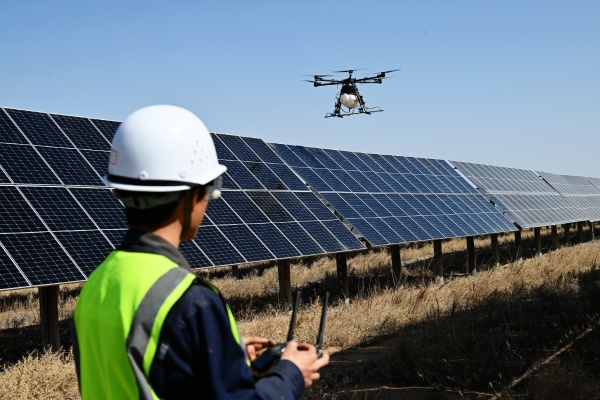
(3) Energy & Solar Applications
(1)Pipeline inspections: With 60% global share, Chinese drones’ exit means higher U.S. maintenance bills
(2)PV sector: China’s smart algorithms/automation keep winning inspections and panel cleaning contracts
2. Supply Chain Chess Moves
(1)Short-term: U.S. burns through inventories; Vietnam/Mexico grab some orders
(2)Mid-term: Japan/Korea try building alternatives, but motors and cores still come from China
(3)Long-game: A divided market emerges: U.S. focuses on military/high-end, China owns mid/low-tier
3. How Chinese Makers Adapt
(1)Tech leap – Boost RTK precision and AI obstacle avoidance
(2)Market spread – Push deeper into Middle East/Southeast Asia
(3)Local footholds – Assembly lines in Mexico/Vietnam
The Bottom Line
These tariffs will sting buyers with short-term price hikes. But China’s drone ecosystem—complete supply chains, mature tech, and unbeatable costs—can’t be replicated overnight. Expect 2-3 years of market reshuffling, with Chinese suppliers remaining the industry’s backbone.