Drone Solar Panel Cleaning Cost: 7 Factors
Keeping solar panels clean is an important part of maintaining consistent energy output. As dust, sand, bird droppings and other contaminants accumulate on panel surfaces, cleaning becomes part of regular solar asset maintenance.
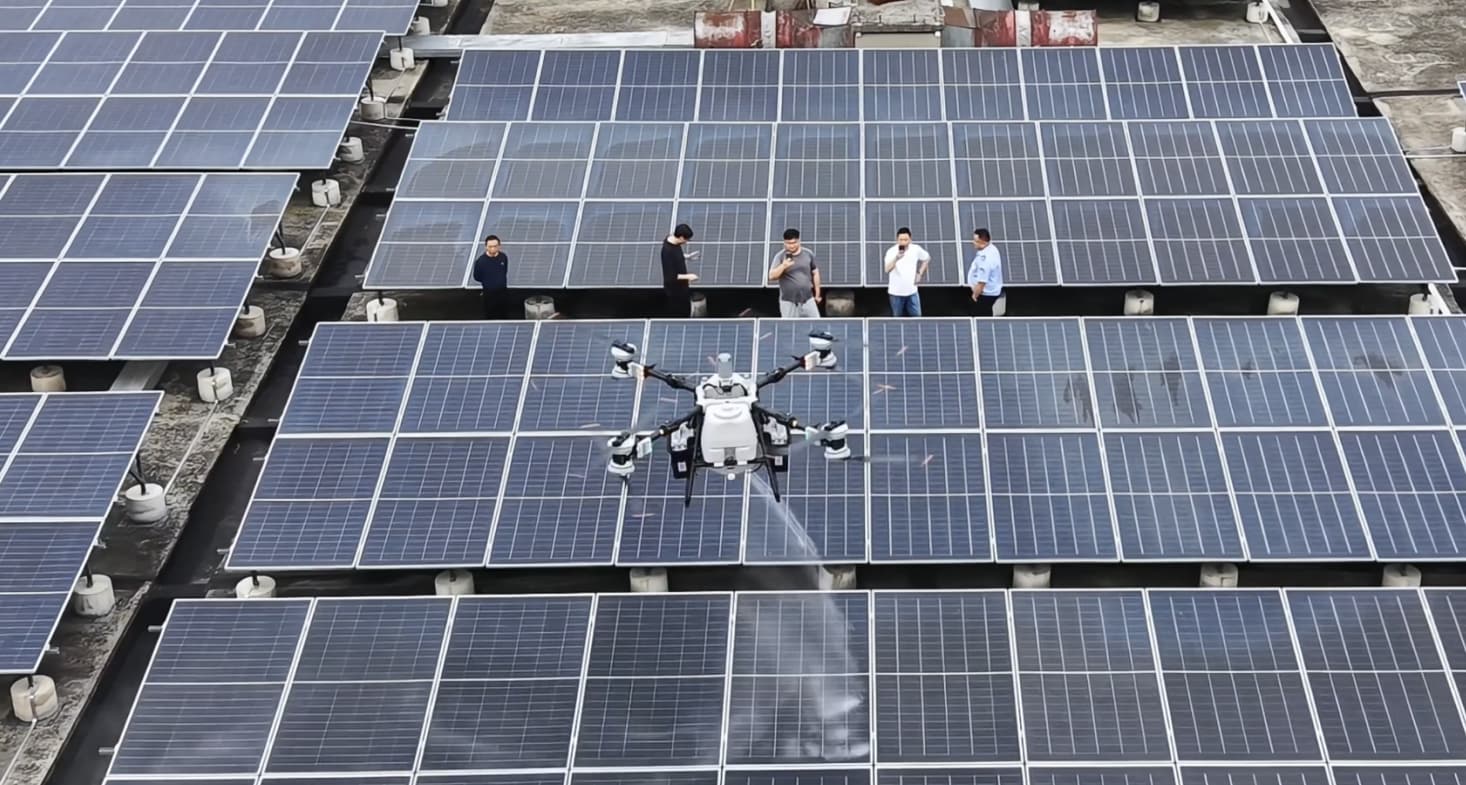
Drone-based cleaning offers an alternative for projects where manual access is difficult, time-consuming or involves work at height. However, the cost of drone solar panel cleaning can vary significantly depending on the project and operating conditions.
There is no single standard solar panel cleaning drone price for every project. Factors such as site size, panel condition, water supply, labor requirements and equipment configuration can all influence the final cost.
Understanding these factors can help solar cleaning service providers estimate project costs and choose a suitable drone cleaning system.
1. Project Size and Number of Solar Panels
The size of the cleaning project is one of the most important factors affecting the total cost.
A small commercial rooftop installation and a large solar farm require very different amounts of flight time, water, labor and operational planning.
Larger projects may have a higher total cleaning cost, but the cost per square meter or per panel can potentially be reduced when equipment, labor and cleaning routes are planned efficiently.
When estimating a project, service providers should consider:
1, Total number of solar panels
2, Total cleaning area
3, Layout of the solar installation
4, Expected operating time
5, Required cleaning frequency
A clear understanding of project size helps determine the appropriate drone platform and cleaning system.
2. Solar Panel Location and Site Conditions
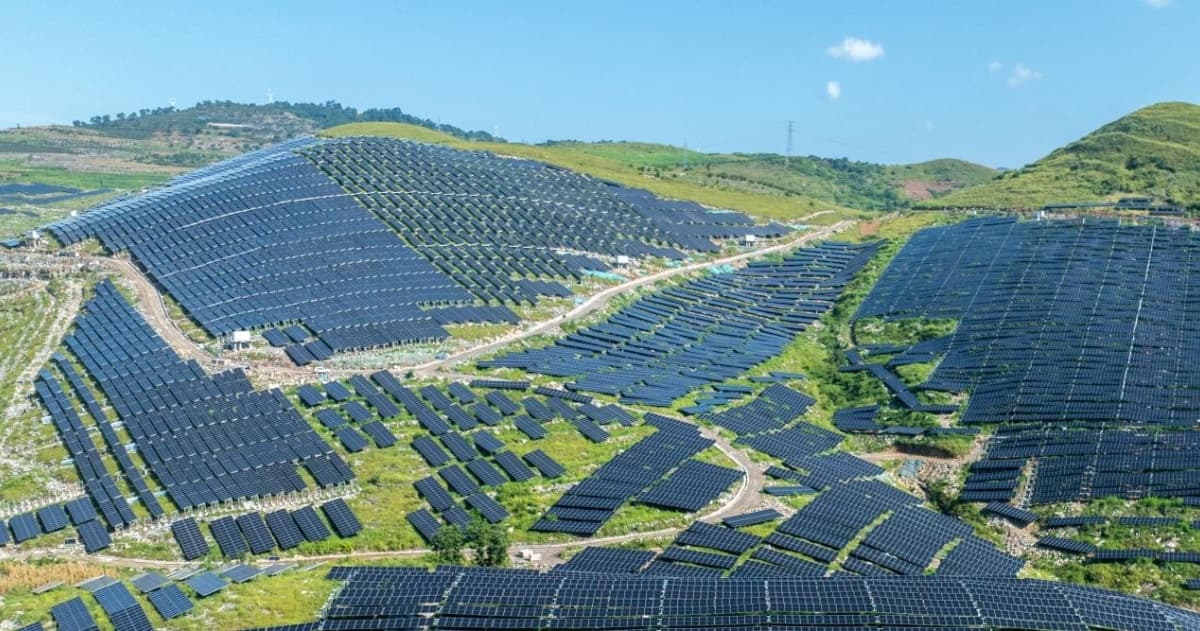
The location of the solar installation can also influence cleaning costs.
Ground-mounted solar farms may provide easier access for water supply and equipment setup, while rooftop systems can involve more complex operating conditions.
Important factors include:
Building height
Roof layout
Terrain
Obstacles around the installation
Access to the cleaning area
Local weather and wind conditions
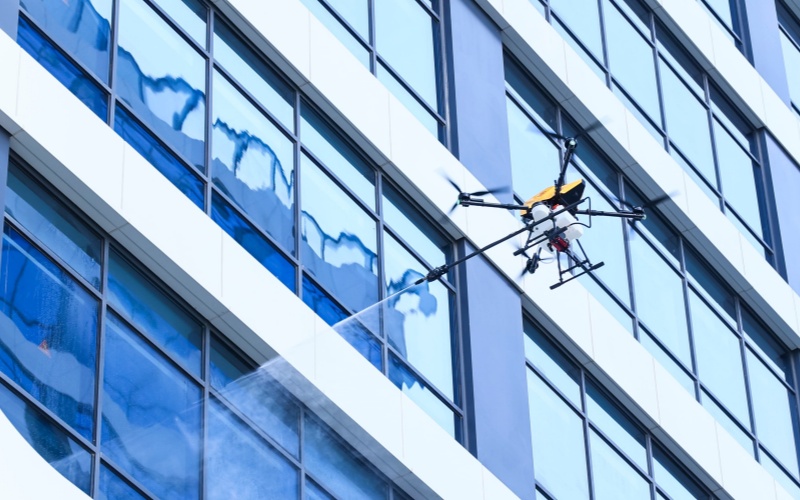
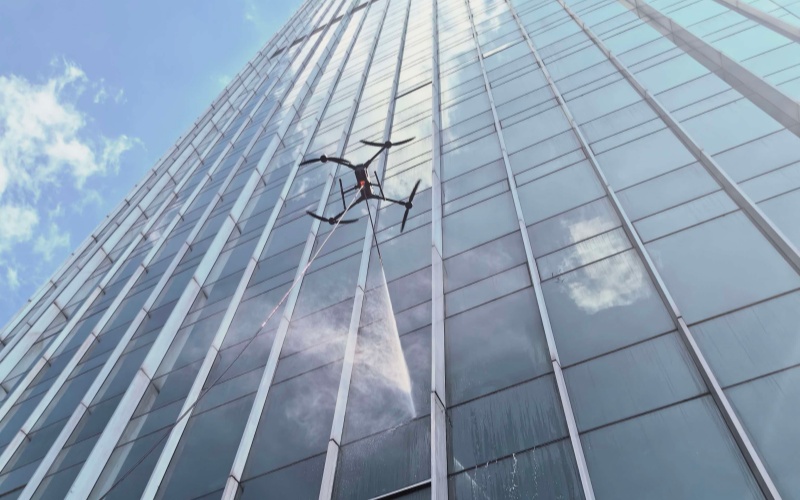
For difficult-to-access installations, drone-based cleaning systems may help reduce the need for operators to work directly at height.
The more complex the site, the more planning may be required before cleaning operations begin.
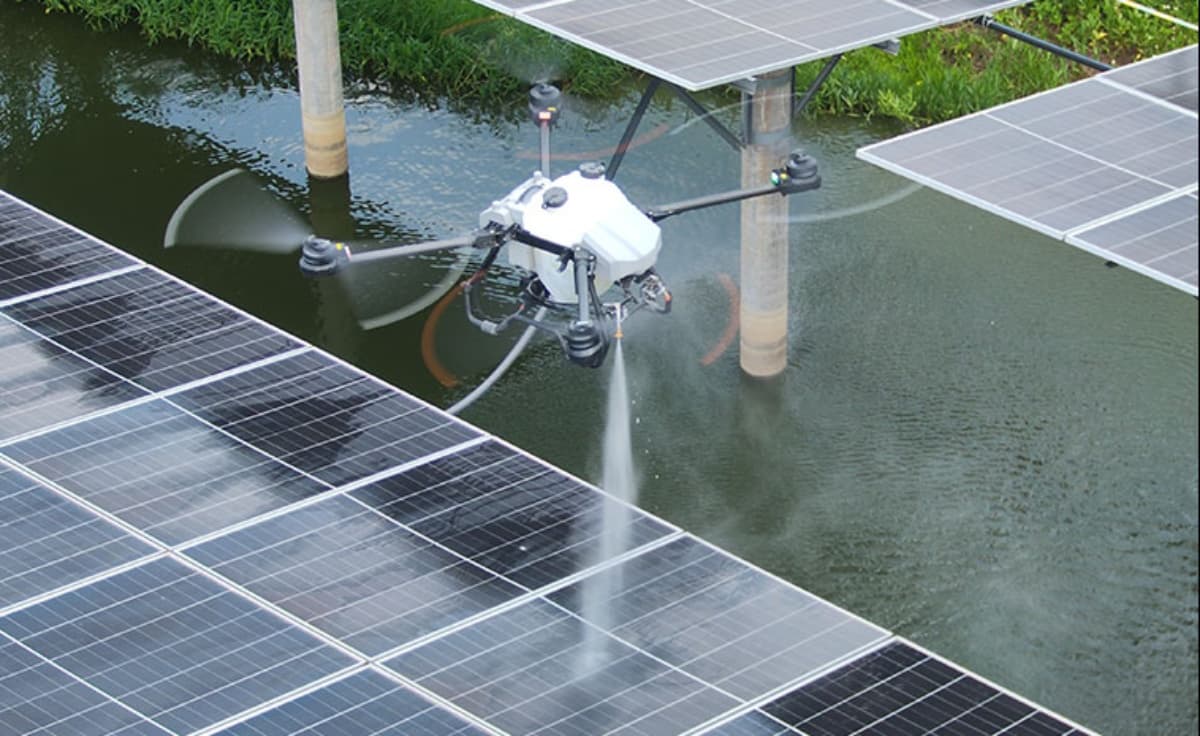
3. Panel Soiling and Cleaning Requirements
Not all solar panels require the same cleaning method.
The type and level of contamination can affect both cleaning time and equipment requirements. Common contaminants include:
Dust and sand
Bird droppings
Pollen
Industrial pollution
Oily residue
Other environmental deposits
Light dust may require a different cleaning approach from surfaces with more stubborn contamination.
Depending on the condition of the panels, operators may need to adjust:
Water flow
Spray pressure
Cleaning distance
Cleaning speed
Number of cleaning passes
These factors can directly influence water consumption, operating time and overall project cost.
4. Labor and Operational Requirements
Although drone-based cleaning can reduce the need for manual cleaning at height, professional operations still require trained personnel.
Depending on the project, labor and operational requirements may include:
Drone operators
Ground support personnel
Equipment setup
Water supply management
Flight planning
Site safety procedures
Equipment inspection and maintenance
The number of personnel required can vary depending on the size and complexity of the project.
Efficient equipment design and operational planning can help simplify the workflow and improve overall productivity.
5. Water Supply and Cleaning Method
Water supply is another important factor when calculating drone solar panel cleaning costs.
Operators may need to consider:
Availability of water at the site
Distance between the water source and the cleaning area
Water transportation
Hose management
Water pressure
Flow rate
Cleaning method
Different projects may require different cleaning approaches.
For example, some applications may use water-only cleaning, while others may require additional cleaning solutions depending on the type of contamination and the maintenance requirements.
A well-planned water supply and cleaning system can help improve operational efficiency and reduce unnecessary interruptions during cleaning.
6. Drone and Cleaning Equipment Configuration
The configuration of the drone and cleaning equipment can have a significant influence on project efficiency and operating costs.
When selecting a drone cleaning system, operators should consider factors such as:
Drone platform compatibility
Payload weight
Cleaning pressure
Water flow
Nozzle configuration
Cleaning coverage
Water supply connection
Control method
Installation and removal time
A cleaning payload should be matched with the drone platform and the specific requirements of the project.
For solar panel cleaning applications, the ability to configure parameters such as spray pressure, water flow and cleaning coverage can help operators adapt the system to different site conditions.
Equipment configuration can also influence deployment time and daily operating efficiency.
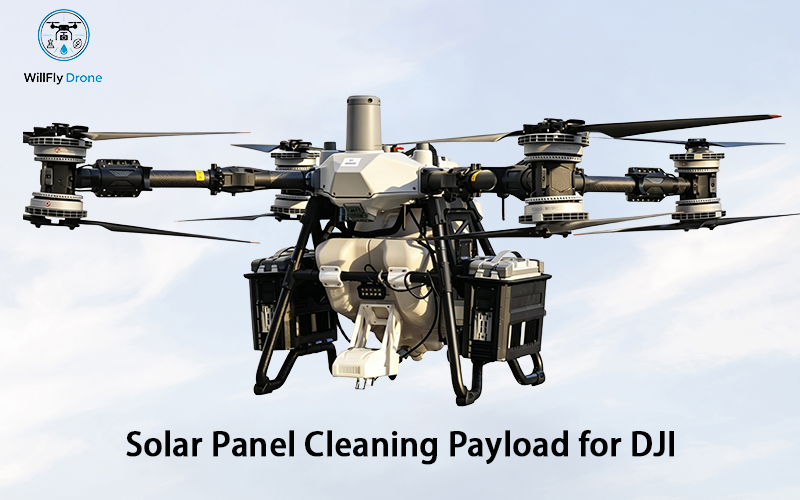
For example, a modular DJI-compatible cleaning payload can provide a flexible solution for operators using supported enterprise or agricultural drone platforms.
To see which models are available, compare all cleaning drones for sale before requesting a project quote.
Related Product
Solar Panel Cleaning Payload for DJI FC100 & T100