Drone Window Cleaning Business Guide
Starting a drone window cleaning business can be an attractive opportunity for companies looking to provide exterior cleaning services with less reliance on traditional high-altitude access equipment.
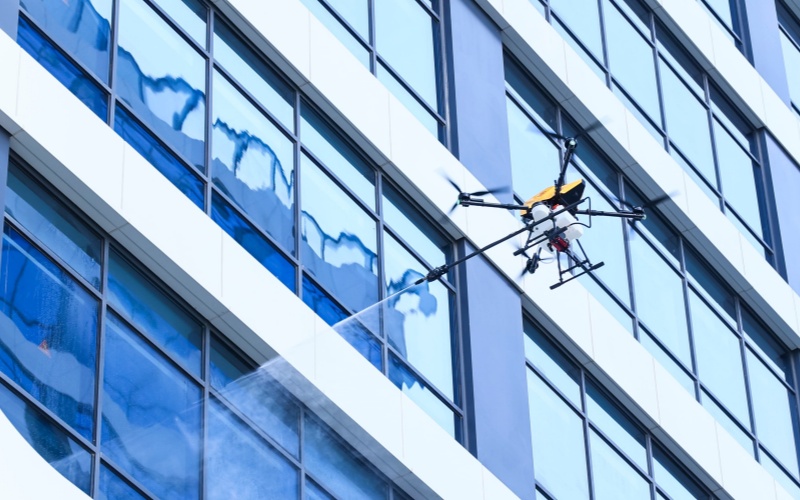
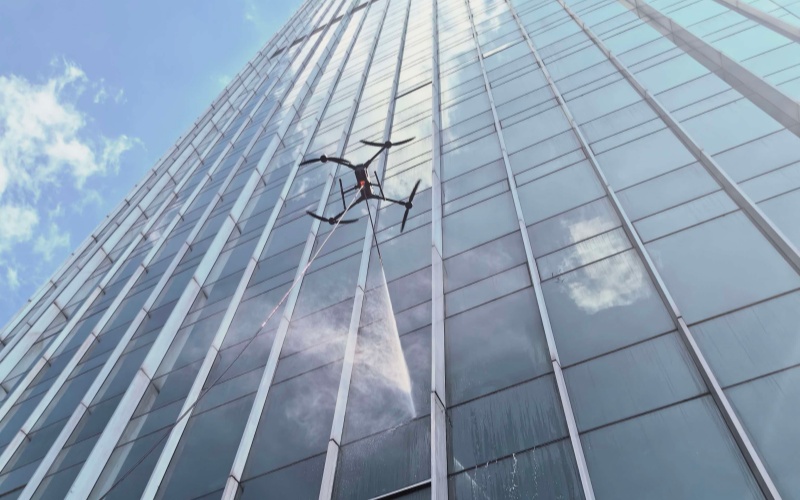
As drone technology and cleaning systems continue to develop, drones can be used in applications such as glass facade cleaning, building maintenance and other difficult-to-access exterior cleaning tasks.
However, like any service business, drone window cleaning is not simply about buying a drone and starting operations.
The success of a drone cleaning business depends on several factors, including local market demand, service pricing, equipment selection, operating efficiency and the ability to build a safe and reliable workflow.
This article looks at the main factors to consider before starting a drone window cleaning business.
1. Is There Demand for Drone Window Cleaning?
The first question is whether there is a suitable market for drone-based cleaning services in your target area.
Potential applications may include:
High-rise buildings
Glass curtain walls
Hotels and commercial properties
Office buildings
Industrial facilities
Large exterior structures
Drone cleaning can be particularly relevant where conventional cleaning requires workers to operate at height or where access equipment is difficult to deploy.
Before investing in equipment, it is important to understand the local market and identify potential customers who may benefit from alternative cleaning methods.
Possible target customers may include:
Building management companies
Property maintenance companies
Cleaning service providers
Facility management companies
Hotels and resorts
Industrial site operators
A clear understanding of your target market can help determine which type of cleaning equipment and drone platform is most suitable for your business.
2. Choosing the Right Drone Platform
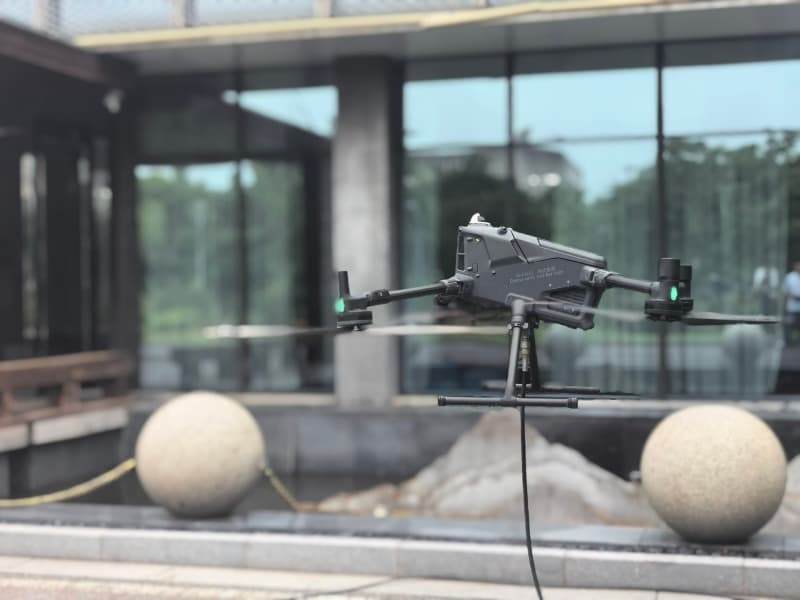
The drone platform is an important part of the overall cleaning system, but it should not be considered separately from the cleaning equipment.
Operators should consider factors such as:
Payload capacity
Flight stability
Positioning capability
Obstacle sensing
Flight time
Compatibility with cleaning equipment
Local regulatory requirements
For professional applications, the key question is not simply:
Which drone is the most powerful?
Instead, it is:
Which drone platform can support the cleaning system required for your target applications?
A drone platform and cleaning payload should work together as part of the same operating system.
This is particularly important when selecting equipment for different types of projects, such as high-rise facade cleaning, glass curtain wall cleaning or solar panel cleaning.
3. Why the Cleaning Payload Matters
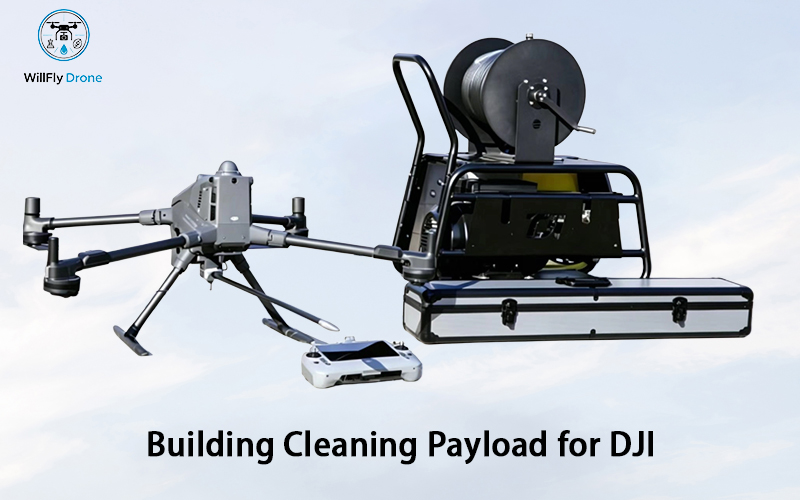
For a professional drone cleaning operation, the cleaning payload can be just as important as the drone itself.
The payload determines how water or cleaning solution is delivered to the surface and can influence cleaning coverage, operating efficiency and system flexibility.
Important factors to consider include:
Payload weight
Spray pressure
Water flow
Nozzle configuration
Spray angle
Cleaning coverage
Water supply connection
Control method
Compatibility with the drone platform
A suitable cleaning payload should allow operators to configure the system according to the requirements of the project.
For example, different building surfaces and contamination levels may require different spray parameters or cleaning methods.
Choosing a compatible and modular payload system can also provide greater flexibility when adapting equipment to different cleaning applications.
4. Understanding the Complete Operating System
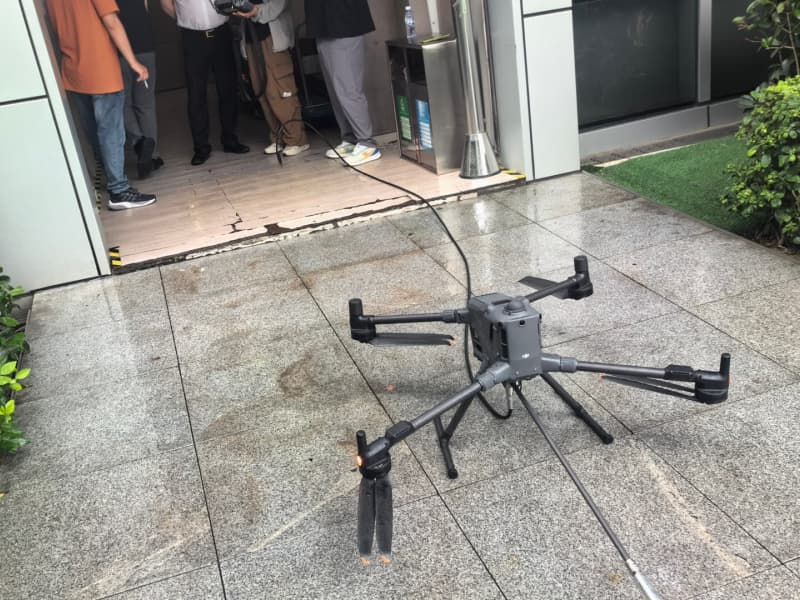
A drone alone is not a complete cleaning solution.
A professional operation may also require:
A compatible cleaning payload
Water supply equipment
Hose management
Pumps and spray components
Ground support equipment
Remote control and monitoring
Safety procedures
Site preparation
The complete workflow should be considered before purchasing equipment.
For example, a cleaning system may perform well during flight, but the overall operation can still be inefficient if water supply, hose management or equipment deployment creates unnecessary delays.
Building an efficient workflow requires looking at the entire system rather than focusing only on the drone.
5. Equipment Investment and Operating Costs
Starting a drone window cleaning business requires an investment in equipment and operational infrastructure.
The actual cost will depend on the type of projects you plan to serve and the configuration of the cleaning system.
Potential cost considerations include:
Drone platform
Cleaning payload
Water supply system
Pumps and hoses
Batteries and charging equipment
Transportation
Equipment maintenance
Training
Insurance and regulatory compliance
Instead of focusing only on the initial purchase price, it is important to consider long-term operating requirements.
A lower-cost system may not always provide the best value if it requires more setup time, frequent manual adjustments or additional equipment to complete the job.
For this reason, businesses should evaluate both equipment investment and expected operating efficiency.
The numbers above give the framework; our cost series fills in the figures. The startup cost breakdown (Part 1) walks through equipment, training and certification line items, the hidden operating costs (Part 2) covers insurance, maintenance and marketing spend that catch new operators off guard, and our cost per square meter analysis shows how pricing per panel area decides whether a contract is worth signing. Read all three before committing to a fleet size.
6. How Service Pricing May Be Determined
The price of a drone window cleaning project can vary depending on the specific job.
Factors may include:
Building height
Total cleaning area
Surface condition
Accessibility
Required cleaning method
Project duration
Labor requirements
Equipment setup
Local operating costs
Some projects may involve a single cleaning operation, while others may require regular maintenance.
For recurring projects, service providers may be able to plan equipment and labor more efficiently.
Before entering the market, it is useful to develop a clear pricing model based on the type of customers and applications you plan to target.
7. Safety and Operational Planning
Safety should be a central part of any drone cleaning business.
Drone cleaning does not eliminate the need for professional operational planning. Depending on the project, operators may need to consider:
Local drone regulations
Flight permissions
Building environment
Pedestrian and public safety
Wind and weather conditions
Obstacles
Emergency procedures
Equipment inspection
Operators should always follow applicable local regulations and establish appropriate safety procedures before conducting commercial cleaning operations.
A reliable workflow and professional operating procedures can be just as important as the equipment itself.
8. Can Drone Cleaning Improve Operational Efficiency?
The potential benefits of drone cleaning depend on the application and operating conditions.
For suitable projects, drone-based systems may offer advantages such as:
Reduced reliance on manual work at height
Flexible access to difficult-to-reach surfaces
Configurable cleaning parameters
More consistent cleaning operations
Adaptability for different exterior cleaning applications
However, actual efficiency will depend on factors such as the drone platform, payload configuration, water supply system, site conditions and operator experience.
The goal should not simply be to replace traditional cleaning methods in every situation.
Instead, drone cleaning should be evaluated as an additional solution for projects where it can provide operational or access advantages.
9. How to Choose the Right Equipment for Your Business
Before purchasing a complete system, consider the type of projects you want to serve.
For example:
1, High-Rise Building and Glass Facade Cleaning
Projects involving tall buildings or glass curtain walls may require a cleaning system designed for stable operation, controlled spray coverage and reliable water supply.
2, Solar Panel Cleaning
Solar cleaning projects may require a different payload configuration depending on panel layout, cleaning requirements and the size of the installation.
3, Industrial Exterior Cleaning
Industrial facilities may have different surface types, contamination levels and operating environments, requiring adaptable cleaning equipment.
Understanding your target application can help you select a suitable drone platform and compatible payload configuration.
How to Start a Drone Window Cleaning Business
If you are wondering how to start a drone window cleaning business, the sequence is straightforward: confirm demand in your target city, choose a drone platform that can carry the cleaning payload, budget the full cost stack, set a service price, and plan safety and compliance before the first job.
Most operators begin by comparing the cleaning drones for sale currently available, then validate the numbers with a small pilot project.
Frequently Asked Questions
Q1: How much does it cost to start a drone window cleaning business?
A1: The investment is equipment-driven: a compatible drone platform, the cleaning payload and a ground water supply setup make up the core. See our startup cost series (linked above) for the line-by-line breakdown.
Q2: Do I need a dedicated cleaning drone?
A2: No. A modular payload approach lets you add cleaning capability to a compatible DJI platform when cleaning jobs are scheduled, and use the same airframe for other missions the rest of the time.
Q3: Is drone window cleaning safe to operate?
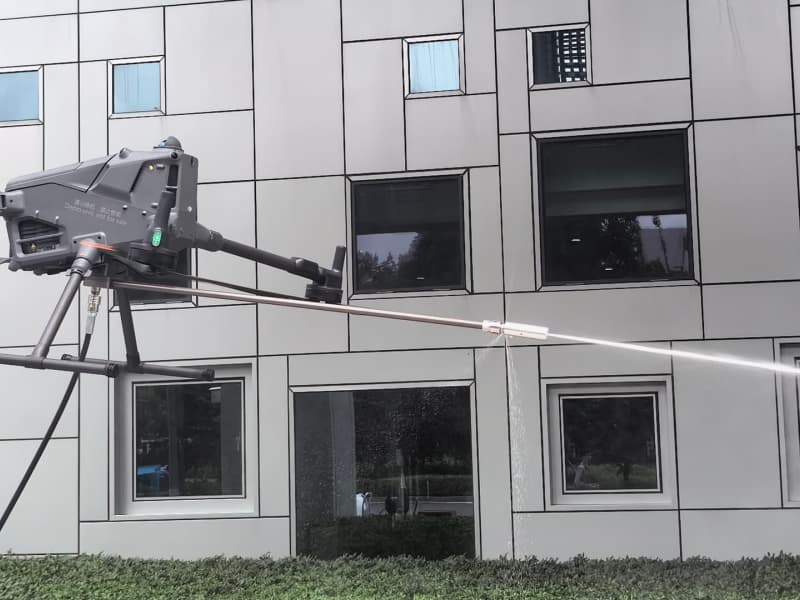
A3: The crew works from the ground. The drone carries the spray gun while a ground-based system supplies water and pressure, so no operator works at height.
Q4: Can one system handle both facades and solar panels?
A4: The high-pressure cleaning payload is built for facade and glass surfaces; solar panel work uses a dedicated FC100 cleaning payload with its own water tank - matching the payload to the surface is what keeps results consistent.
Building a Drone Cleaning Business Around the Right System
Drone window cleaning can be a promising business opportunity, but success depends on more than purchasing a drone.
A practical business model should consider:
Market demand
Target applications
Equipment configuration
Operating efficiency
Service pricing
Safety and compliance
Long-term maintenance
For companies entering the drone cleaning market, selecting a suitable drone platform and compatible cleaning payload is an important part of building an efficient operation.
A modular payload system can also provide greater flexibility for adapting the same drone platform to different cleaning applications.
WillFly Drone develops DJI-compatible cleaning payload solutions for industrial and exterior cleaning applications. Our systems can be configured for different project requirements, with OEM and customized solutions available for suitable drone platforms.
Related Product
Drone High-Pressure Cleaning Payload Kit for DJI M400 & FC100