Strip vs Broadcast Seeding Drones
Comparing Strip Seeding and Broadcast Sowing for Smarter Farming
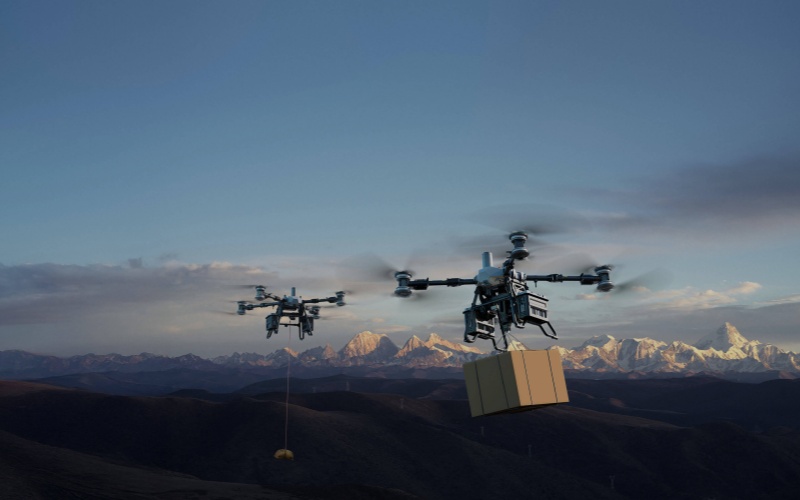
In modern agriculture, drones are quickly becoming essential tools in the field. From crop monitoring to spraying, and now to seeding, drone technology is reshaping how farmers work. But when it comes to drone-based planting, not all systems are the same.
Two main types of seeding drones are widely used today: broadcast sowing drones, which scatter seeds across the field, and strip seeding drones, which drop seeds in precise rows. Each method serves a different purpose — and your choice depends on the results you're after.
How They Work
Broadcast drones use a spinning disc to fling seeds in all directions. It's fast and covers a wide area, making it useful for cover crops or grass where exact spacing isn't critical.
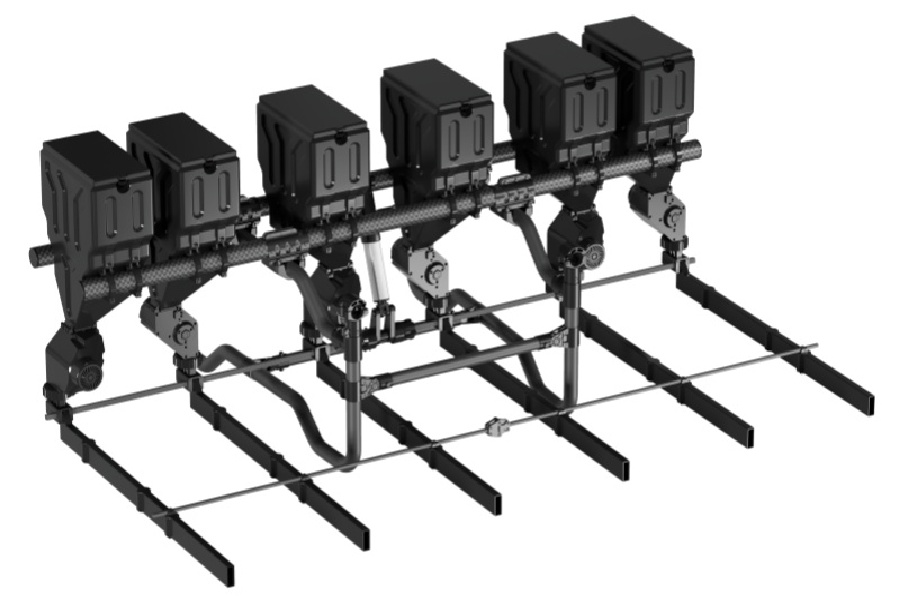
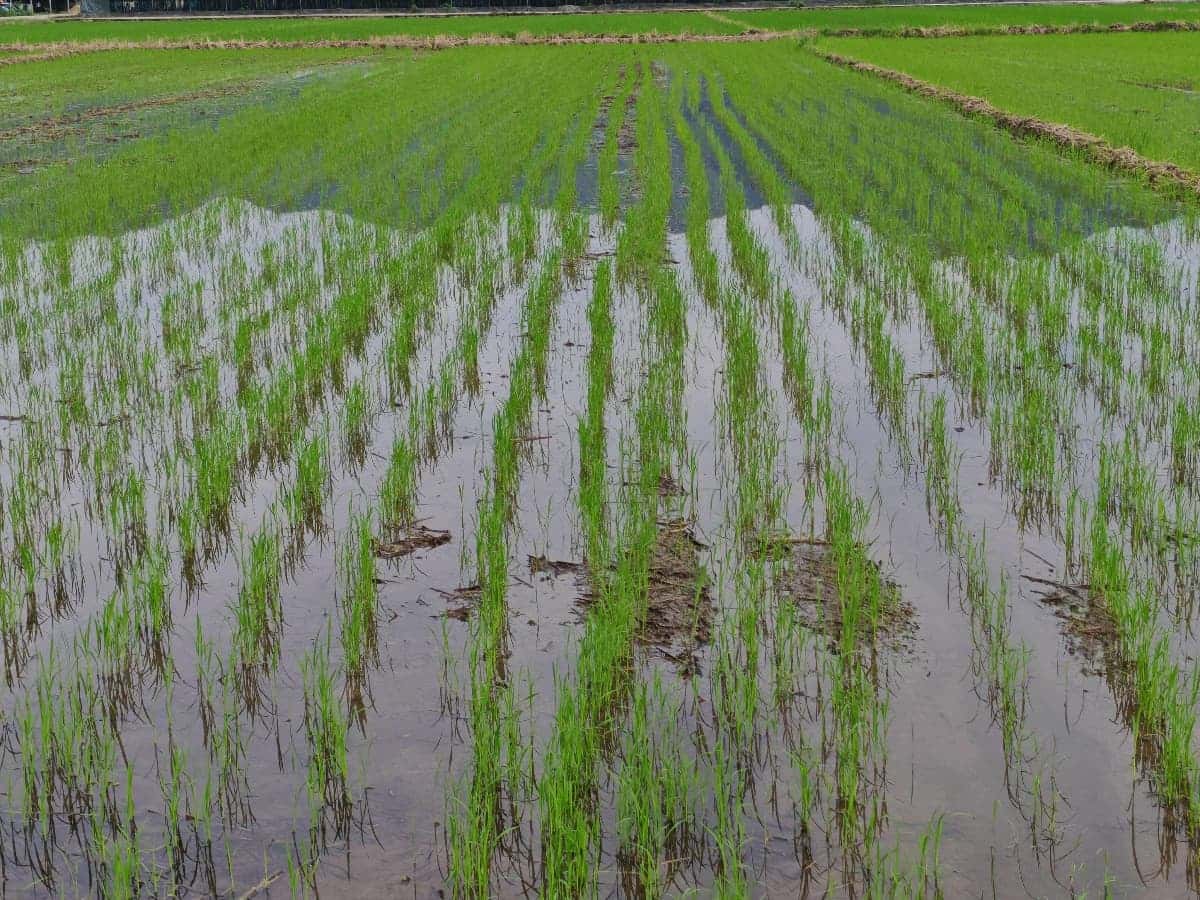
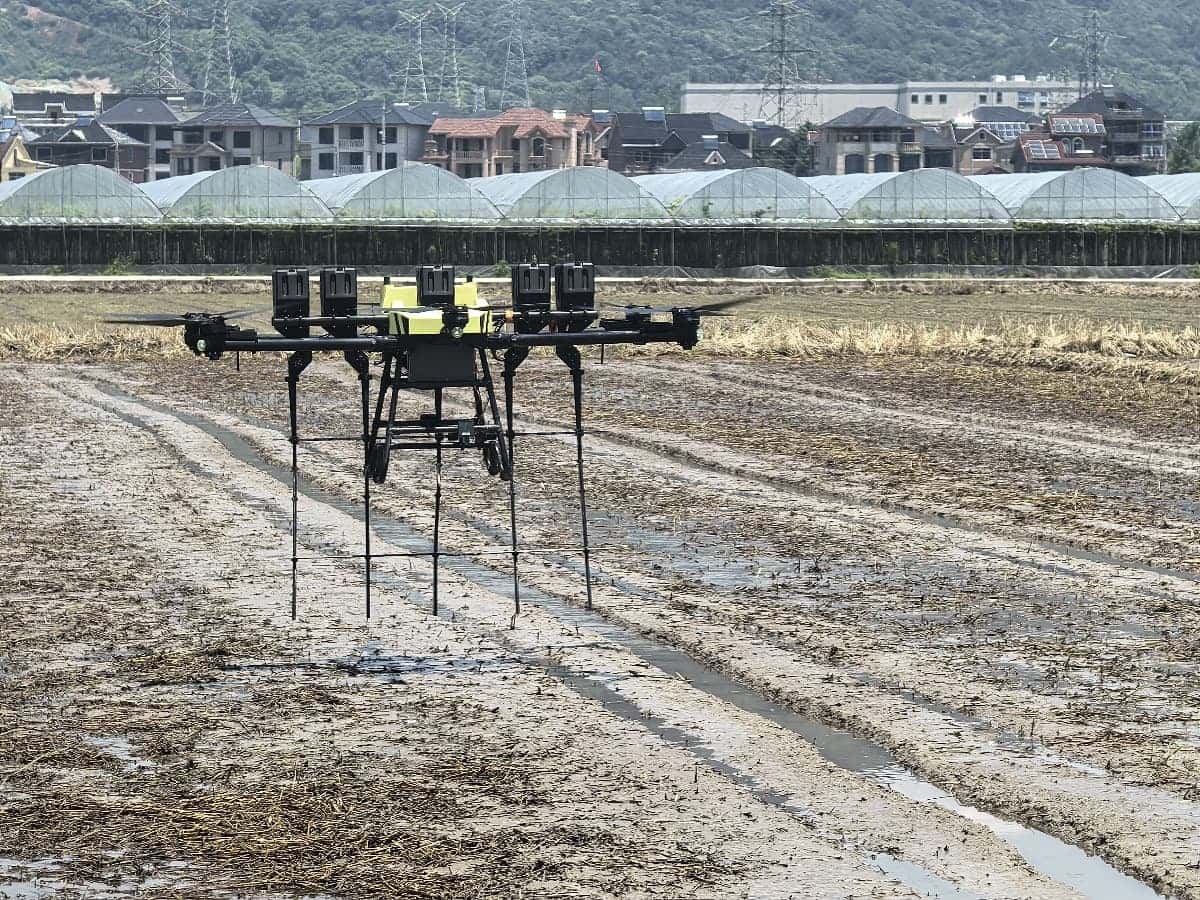
Strip seeding drones, on the other hand, use multiple vertical tubes to drop seeds directly into the soil in straight, controlled rows. This method gives you more precision and consistency, especially for row crops like corn or soybeans.
Key Differences That Impact Your Yield
| Feature | Strip Seeding Drone | Broadcast Sowing Drone |
|---|---|---|
| Seeding Accuracy | High – clean, even rows | Low – scattered placement |
| Seed Efficiency | Minimal waste | Higher waste due to overlap |
| Wind Resistance | Stable drop | Easily affected by wind |
| Field Suitability | Works on flat or uneven terrain | Best on flat ground |
| Crop Types | Corn, soybeans, pasture, row crops | Cover crops, grass |
| Tech Compatibility | RTK, GPS, digital ag tools | Limited integration |
Why Strip Seeding Makes Sense
If you’re planting high-value crops, or working in hilly or irregular fields, precision matters. Strip seeding drones offer:
More accurate placement
Better crop emergence and uniformity
Lower seed costs through reduced waste
Smarter integration with field mapping and GPS systems
It’s a long-term investment that pays off in yield and efficiency.
Where Broadcast Still Works
Broadcast sowing drones still have their place — particularly for simple, high-speed coverage where precision isn’t essential. They’re a good fit for grass reseeding, land restoration, or fast planting jobs where time matters more than spacing.
Compatibility and Flexibility
Our strip seeding module is designed with versatility in mind. Not only is it fully integrated with our own drone platforms, but it also supports seamless compatibility with popular agricultural drones like DJI’s T50 series. This means you can easily upgrade your existing drone fleet with our precision strip seeding technology, enhancing planting efficiency without replacing your entire system.
The Bottom Line
Choosing between a seeding drone, sowing drone, or planting drone comes down to your specific needs. For detailed placement, better seed use, and smart field control, strip seeding offers a clear edge.
Recommendation of Precision Row Seeding Module for DJI & XAG Drones | WillFly Drone