Drone Window Cleaning: Detergents & Methods
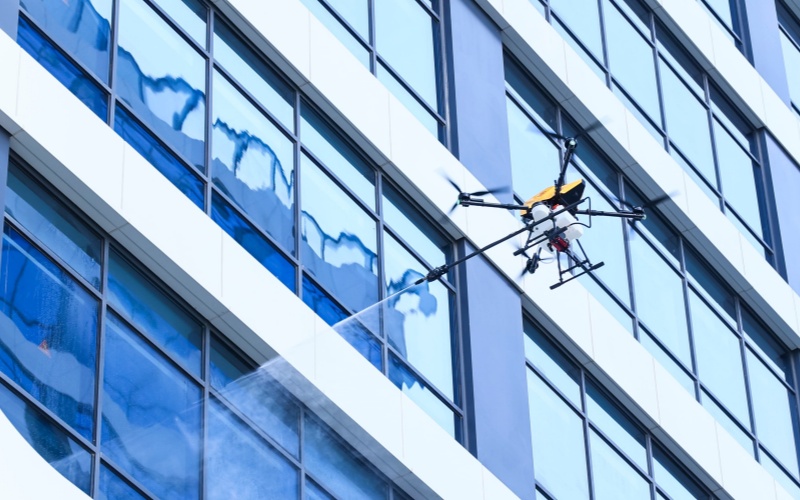
A window washing drone is an unmanned aircraft carrying a spray or pressure-washing payload, built to clean glass facades, windows and other exterior surfaces. Whether you call it a drone window washer or a drone glass cleaning system, the goal is the same: it reduces the need for rope access, scaffolding or lifts on high-rise buildings.
The drone and its water pressure are only part of the result, though. The cleaning solution, water quality, spray system and surface condition all affect how clean the glass actually gets.
This guide walks through the practical decisions behind a professional drone window cleaning setup: when plain water is enough, how to match a detergent to the surface and the type of dirt, and how to choose a cleaning payload that fits the job.
What Is Drone Window Cleaning?
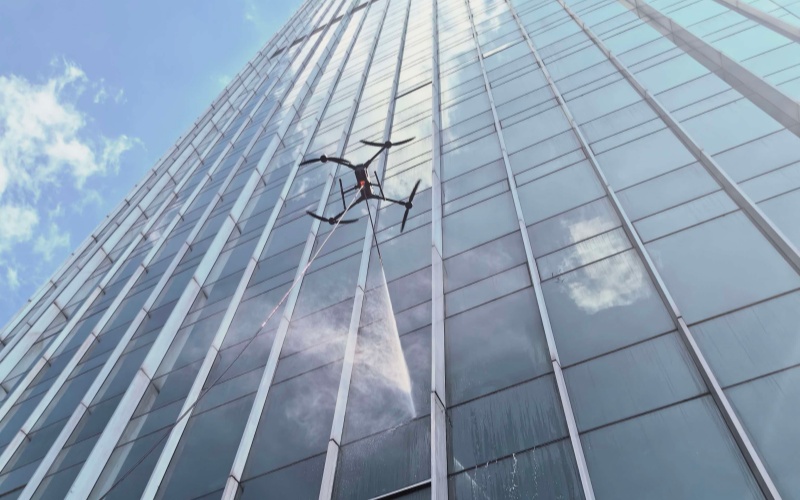
Drone window cleaning replaces the manual access part of facade maintenance. Instead of workers descending on ropes or working from a platform, a drone carries a water supply, pump and spray system along the facade and cleans the glass from a short distance.
The cleaning result does not depend on the drone alone. Pressure, nozzle choice, water quality and the cleaning solution work together, and each one can make the difference between streaked glass and a clean finish.
That is why the cleaning solution deserves the same attention as the equipment itself. The sections below cover the decisions that matter in practice.
In a typical setup, the operator controls the drone from the ground while the payload sprays water or cleaning solution onto the glass. The drone moves section by section along the facade, and the spray pattern, pressure and travelling speed determine how evenly each panel is cleaned. Because the drone carries the equipment, the setup also works on facades where a lift cannot reach or scaffolding would be too costly.
Water or Cleaning Solution?
Not every window cleaning job requires a chemical cleaning solution.
For light dust and loose dirt, clean water may be sufficient, especially with the right spray pressure and nozzle configuration. For more stubborn contamination, a suitable cleaning solution can help loosen the dirt before or during the wash.
The choice depends on several factors:
Type of contamination
Glass surface condition
Cleaning frequency
Water quality
Cleaning equipment
Environmental conditions
In short, the cleaning method should follow the actual application, not a one-size-fits-all recipe.
Match the Cleaning Solution to the Surface
Different exterior surfaces react differently to cleaning chemicals. Common surfaces in building cleaning include:
Glass
Metal frames
Painted surfaces
Stone
Composite facade materials
Before using any cleaning chemical, operators should confirm that it is safe for the target surface. On glass facades, the solution should also be compatible with any coatings or surface treatments that may be present. Hydrophobic or self-cleaning coatings, for example, can be sensitive to aggressive chemicals, so the mildest suitable option is usually the safest starting point.
When a building mixes several surface materials, the cleaning method may need adjusting so that one surface is not treated with something meant for another.
Match the Cleaning Solution to the Contamination
The type of dirt on a facade matters just as much. Common contaminants include:
Dust
Road pollution
Bird droppings
Oil or grease
Water stains
Organic deposits
Light dust may call for water only, while more persistent contamination usually needs an appropriate detergent or cleaning solution.
For commercial cleaning projects, it is good practice to test the selected solution on a small area first, then apply it to the larger surface.
Water Quality and Detergent Concentration
Water quality influences the final result more than many operators expect. Minerals in hard water can leave deposits on glass as the water dries, which partly defeats the purpose of the wash. Depending on the site, it may be worth checking the water source before starting.
Water purity matters for the same reason. The cleaner the water, the less residue it leaves behind, and this matters most on glass that has to dry without streaks. Where the supply is consistently hard, a filtration step or a purer water source can reduce the deposits that hard water tends to leave.
Detergent concentration follows the same logic of restraint. More detergent does not mean better cleaning: an excessive concentration can leave additional residue and require more rinsing. The right concentration depends on the product, the level of contamination and the surface, so follow the manufacturer's instructions rather than a fixed mix for every project.
Consider the Drone Cleaning System
A cleaning solution also has to work with the equipment that carries it. Factors that matter include:
Pump compatibility
Hose and tubing materials
Nozzle design
Flow rate
Spray pressure
Tank or water supply system
The viscosity and chemical characteristics of a solution affect how it moves through the system. For this reason, the cleaning chemical and the cleaning payload should be chosen together, not separately.
Foam Cleaning vs. Pure Water Cleaning
Some drone cleaning systems support both water and foam modes.
Water cleaning suits loose dirt and rinsing the surface. Foam or detergent-based cleaning adds extra cleaning action for certain types of contamination, because the foam stays on the surface longer before it is rinsed away. That extra contact time is why foam is often preferred for facades with stubborn films rather than loose dust.
A practical setup may switch between modes depending on surface condition and the job at hand. Whichever mode is planned, it should be tested before large-scale operation.
Environmental and Site Considerations
Professional exterior cleaning also touches the surroundings. Before starting, operators should evaluate:
Where the wastewater will go
Whether the solution can affect nearby surfaces
Wind conditions
Nearby pedestrians or vehicles
Local environmental requirements
The selected solution should be used according to the manufacturer's instructions and applicable regulations.
Frequently Asked Questions
Can drones really clean high-rise windows?
Yes. A window cleaning drone carries a water supply, pump and spray system and cleans glass facades from a short distance, which reduces the need for rope access or lifts on high-rise buildings. The approach is used on commercial facades and other tall buildings where manual access is slow or risky.
Do window cleaning drones need detergent, or is water enough?
It depends on the dirt. Light dust and loose dirt can often be removed with clean water at the right pressure. Bird droppings, oil films, water stains and similar stubborn contamination usually need a suitable cleaning solution. Testing the chosen method on a small area first helps confirm what the surface actually needs.
What should I check before choosing a cleaning payload?
Key points include compatibility with the drone platform, water pressure, flow rate, spray pattern, cleaning mode, control system, payload weight and chemical compatibility with the solutions you plan to use. A well-matched payload makes the cleaning process easier to control and easier to adapt between projects.
How often should high-rise windows be cleaned?
There is no fixed schedule that fits every building. Cleaning frequency depends on the location, the surrounding environment and how quickly dust and pollution build up on the facade — the same factors listed earlier when deciding between water and detergent. Buildings near busy roads or in dusty areas generally need more frequent cleaning than those in cleaner surroundings. Many operators settle into a routine after observing how the facade behaves between the first few cleanings.
Choosing the Right Drone Cleaning Payload
The cleaning payload is the heart of the system. When selecting equipment for drone window cleaning, consider:
Compatible drone platform
Water pressure
Flow rate
Spray pattern
Cleaning mode
Control system
Payload weight
Chemical compatibility
A well-matched payload gives the operator tighter control over the cleaning process and makes it easier to adapt the same system to different applications.
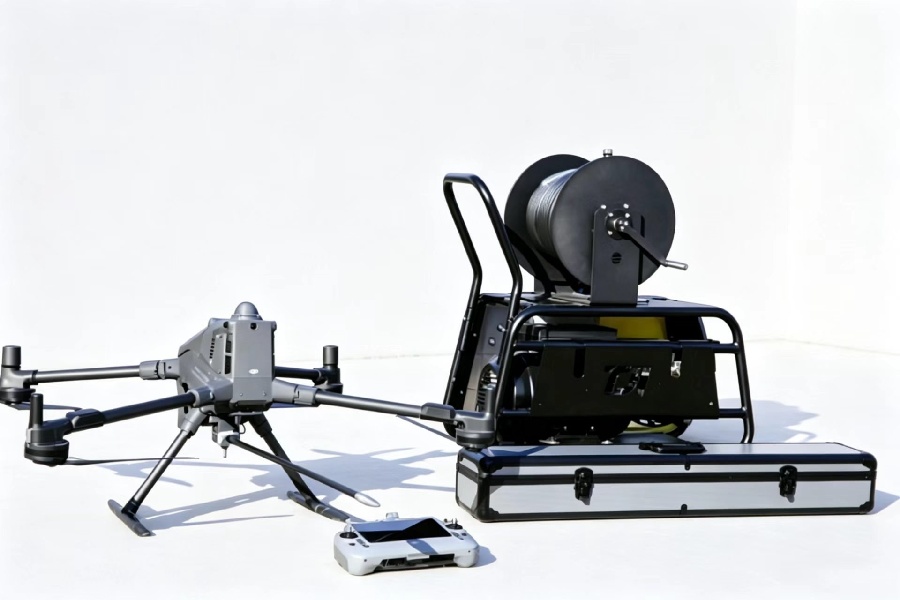
You can browse the full range on the drone cleaning payload category page.
WillFly Drone Cleaning Payload Solutions
WillFly Drone develops DJI-compatible cleaning payloads for professional exterior cleaning, including:
High-rise glass facade cleaning
Window cleaning
Solar panel cleaning
Other industrial exterior cleaning
For example, the High-Pressure Cleaning Payload for DJI M400 & FC100 supports both water and foam cleaning modes, with cleaning parameters configured through an integrated control system.
All current models are listed on our cleaning drones for sale page, where you can also request project pricing.
WillFly Drone also provides OEM and customized payload development for companies with specific cleaning applications or integration requirements. If you are planning a facade cleaning project, tell us about the building and the site through our contact page and we will help you size the right setup.
Conclusion
Choosing the right cleaning solution is one part of an effective drone window cleaning system. Surface type, contamination, water quality, equipment and environmental conditions all shape the final result.
For professional applications, the solution should work together with the drone and the payload to deliver controlled, consistent cleaning performance. A suitable drone cleaning payload provides the control and flexibility to adapt the process to different buildings and project requirements.