Agricultural Drones in Modern Farming
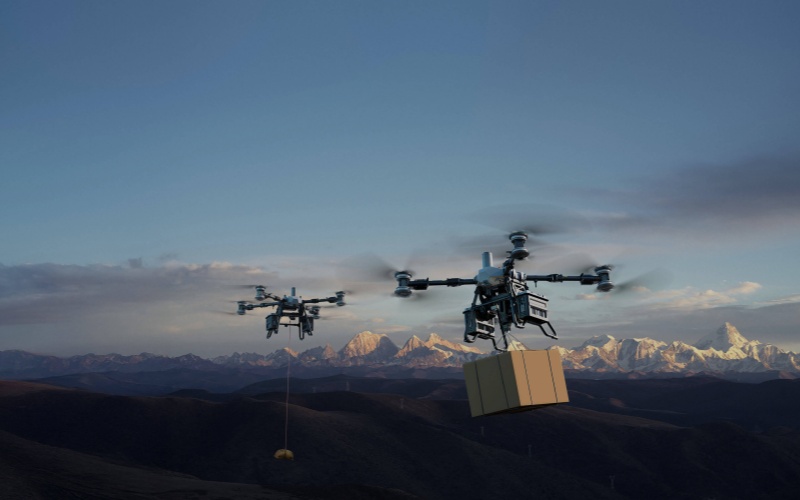
Agricultural drones are finding more work on modern farms: spraying crops, spreading fertilizer, distributing seed. But the drone itself is only the flight platform. What it can actually do comes down to the payload, which decides both the task and how the material is applied. Different farming applications call for different payload configurations.
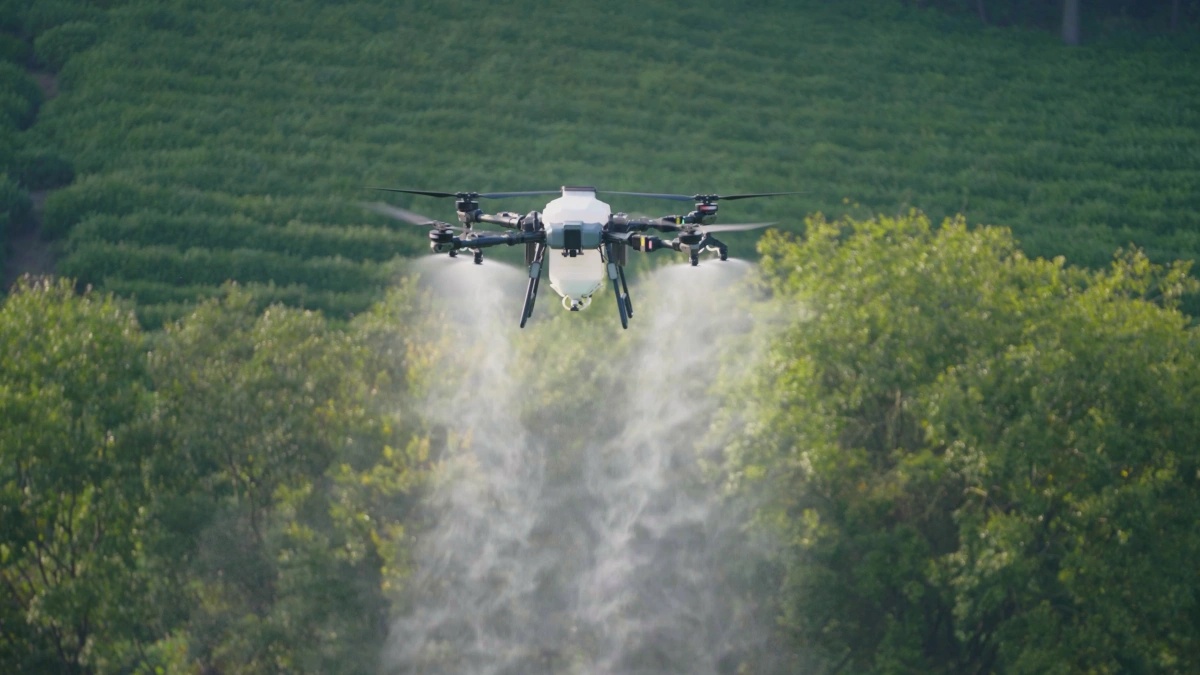
Agricultural Drone Spraying
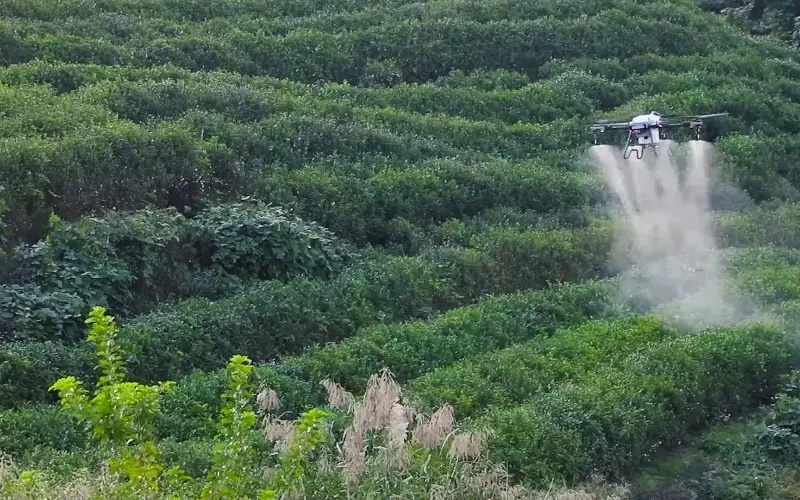
Spraying is the most common job for agricultural drones. A spraying payload distributes liquids such as:
Pesticides
Fertilizers
Herbicides
Crop protection products
How well a spraying system performs comes down to tank capacity, flow rate, nozzle design, spray width and flight speed. With a suitable payload, operators can adjust application parameters to match the crop and the field conditions.
Agricultural Drone Spreading
Drones can also carry spreading payloads for granular materials. Typical applications include:
Fertilizer spreading
Seed broadcasting
Granular crop treatments
The specifications that matter here are material capacity, feeding system, distribution width and application rate. The material itself needs consideration too: its characteristics affect how it should be spread.
Precision Row Seeding with Agricultural Drones
Seeding is a newer and growing application. Conventional drone seeding usually means centrifugal broadcasting — seed scattered over a wide area. Where placement needs to be controlled, row seeding is the alternative: a precision row seeding system puts seed into organized rows, with adjustable row spacing.
Key features may include:
Adjustable row spacing
Controlled seed feeding
Adjustable seeding rate
Ground-hugging seed delivery
Multiple seeding modules
This approach suits planting work where the pattern has to be organized rather than scattered.
Why Does the Agricultural Drone Payload Matter?
The drone supplies the flight; the payload decides how the agricultural material is carried, controlled and distributed. When choosing an agricultural drone payload, four areas are worth working through.
Drone Compatibility
The payload has to work with the drone's mounting interface, power supply and communication system. Different platforms carry different payload capacities and integration requirements, so check both sides before committing.
Payload Capacity
How much capacity you need depends on the application. A larger capacity means fewer trips back for refilling, but the payload weight still has to stay within what the drone can actually operate with.
Application Rate
The payload should cover the application range the target crop and material require. For spraying that is mostly liquid flow rate; for spreading and seeding, it is material distribution and seeding rate.
Control System
A suitable control system lets operators configure and monitor the parameters that matter. Depending on the payload, those include application rate, flight speed and feeding rate.
Modular Agricultural Drone Systems
Modularity makes the whole system more flexible. Instead of owning a dedicated drone for every agricultural operation, one compatible platform can take different payloads as the task changes:
Spraying → Spreading → Seeding
This suits agricultural service providers and companies running several types of farming projects especially well. One caveat stands: compatibility should be confirmed before installing any payload.
Choosing an Agricultural Drone Payload
When you are selecting a payload, four questions narrow it down:
What drone platform will be used?
What material will be applied?
What capacity is required?
Is OEM customization needed?
Judge the payload as part of the complete operating system, not on any single specification.
WillFly Drone Agricultural Drone Payload Solutions
WillFly Drone develops agricultural drone payload solutions for professional farming applications. The range covers precision row seeding systems and customized payloads for compatible drone platforms.
The Precision Row Seeding Module is built for controlled row seeding: it places seeds in organized rows rather than relying on conventional centrifugal broadcasting, with adjustable row spacing, seed-friendly feeding and ground-hugging seed delivery. It runs 4–6 seeding modules and integrates with selected DJI, XAG and other agricultural drone platforms.
OEM and customized payload development is also available for companies with specific agricultural drone integration or application requirements.
The Future of Agricultural Drone Applications
As agricultural drone technology develops, payload design will keep deciding how far these applications can go. Spraying, spreading and seeding each need their own tools, and modular payload designs are what make one drone platform adaptable across them. For professional agricultural drone users, the combination of drone platform and payload is what an efficient operating system is built on.
Conclusion
Agricultural drones now cover a wide stretch of modern farming, from crop spraying and fertilizer spreading to precision row seeding. The drone is the flight platform; the payload determines how agricultural materials are carried and applied. For companies developing or deploying professional agricultural UAV systems, a compatible and configurable payload can give a system the flexibility to handle different farming requirements.
Related Product
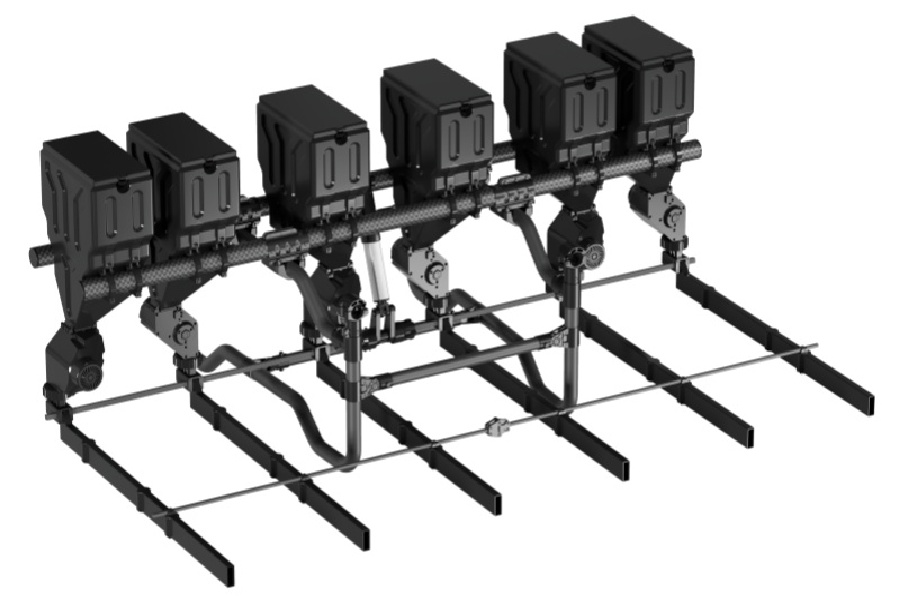
Precision Row Seeding Module for DJI & XAG Drones