Is Drone Solar Panel Cleaning Effective?
Solar panels are exposed to dust, dirt, bird droppings and other contaminants that can accumulate on the surface over time. Regular cleaning helps maintain the condition of photovoltaic systems, and drone cleaning solar panels has become a practical way to handle it on large installations.
For large solar installations, traditional cleaning methods may require considerable labor and equipment. Drone-based cleaning provides an alternative approach for certain solar panel maintenance applications.
But is drone solar panel cleaning effective?
The answer depends on the cleaning equipment, operating conditions and requirements of the solar installation.
How Does Drone Solar Panel Cleaning Work?
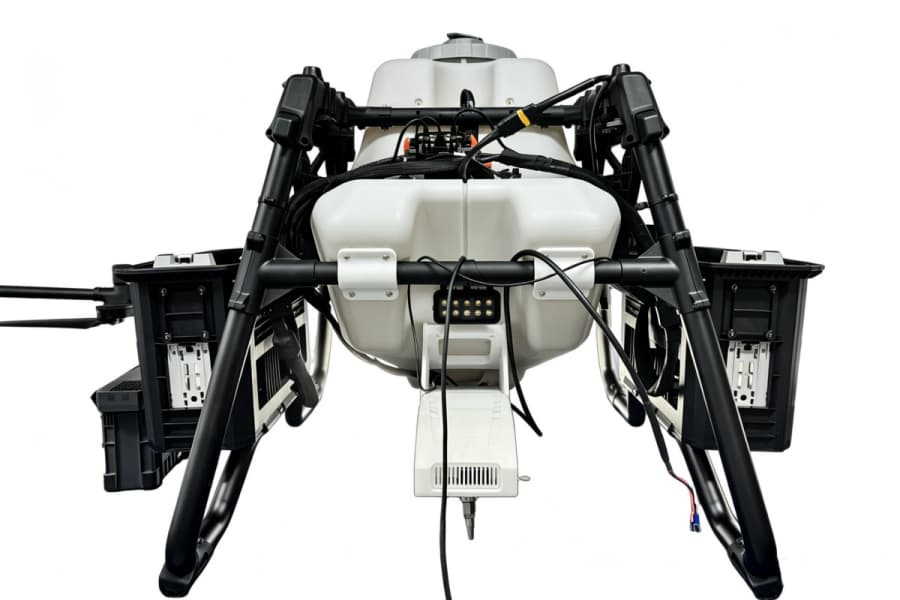
A typical drone solar panel cleaning system combines an industrial drone, a dedicated cleaning payload and a ground-based water supply.
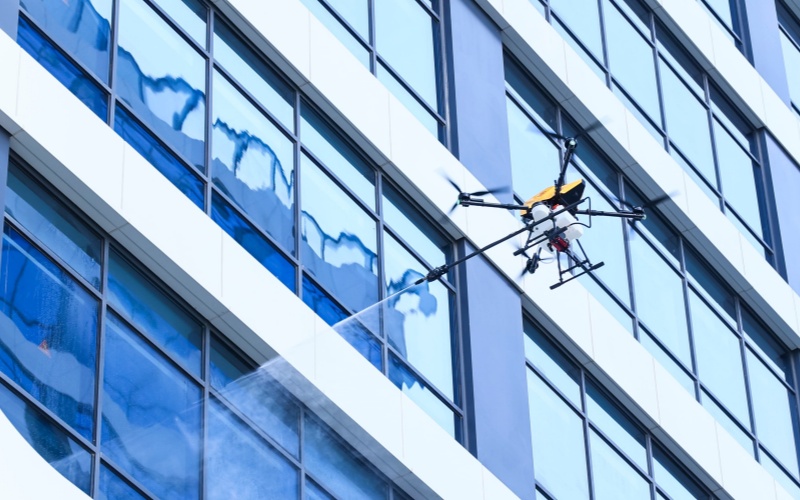
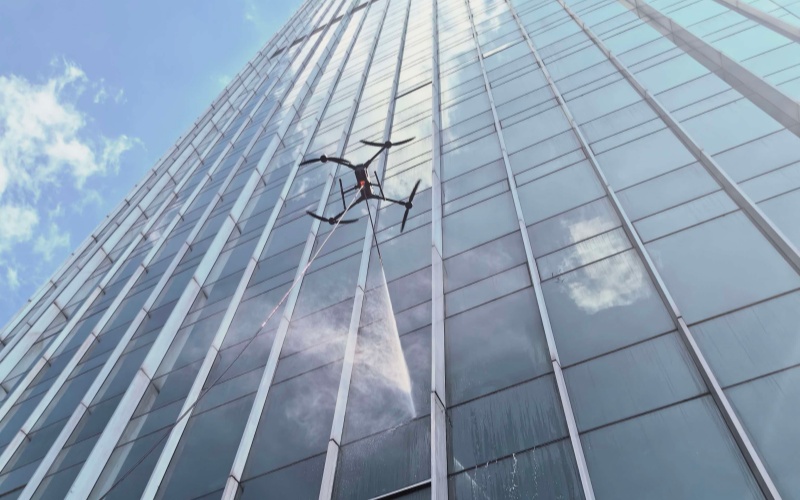
The drone carries the cleaning payload while water is delivered from the ground through a hose. The payload uses spray nozzles to direct water toward the solar panel surface.
The cleaning process can be adjusted according to factors such as flight speed, water flow, spray configuration and cleaning distance.
What Affects Cleaning Effectiveness?
The effectiveness of drone solar panel cleaning depends on several factors.
Water Pressure and Flow
Sufficient water pressure and flow are important for removing dirt from the panel surface. The appropriate settings depend on the cleaning system, nozzle configuration and type of contamination.
Higher pressure does not necessarily mean better cleaning results. The system should be configured according to the specific application.
Nozzle Design
The nozzle determines how water is distributed across the panel surface.
Spray angle, flow rate, nozzle arrangement and spray distance can all affect cleaning coverage and consistency.
Flight Speed
Drone speed affects the amount of time the cleaning spray is applied to each section of the panel.
A suitable flight speed needs to balance cleaning performance and operating efficiency.
Cleaning Distance
The distance between the nozzle and the panel surface can also affect spray performance.
Maintaining an appropriate distance helps the spray reach the target surface with the intended coverage and pressure.
Weather Conditions
Wind can affect both drone stability and water spray distribution.
For this reason, weather conditions should be considered when planning drone-based cleaning operations.
Benefits of Drone Solar Panel Cleaning
Drone cleaning can offer several potential advantages for certain solar maintenance projects.
Reduced Manual Access
Operators can perform cleaning from the ground without requiring workers to directly access elevated or difficult-to-reach areas.
Flexible Operation
A drone can move between different sections of a solar installation without requiring large cleaning equipment to be positioned directly on the panels.
Suitable for Difficult-to-Access Areas
Some solar installations have uneven terrain, elevated structures or layouts that make conventional cleaning more difficult.
A drone-based system can provide an alternative way to access these areas.
Configurable Cleaning Operations
Professional cleaning payloads can allow operators to adjust operating parameters according to the project and cleaning conditions.
Limitations to Consider
Drone solar panel cleaning is not suitable for every installation.
Important factors include:
Water supply availability
Hose length and management
Wind conditions
Drone payload capacity
Solar panel layout
Site access
Local drone regulations
Large projects may also require careful planning of water supply and cleaning routes.
The actual efficiency and cleaning results depend on the complete system configuration and operating procedures.
Is Drone Cleaning Suitable for Large Solar Farms?
Drone cleaning can be considered for large solar farms where regular maintenance is required and manual access is difficult or inefficient.
Before selecting equipment, operators should evaluate:
Total cleaning area
Panel layout
Type of contamination
Cleaning frequency
Water supply
Weather conditions
Drone operating requirements
A site assessment can help determine whether drone solar panel cleaning is suitable for a particular project.
Choosing the Right Solar Panel Cleaning Payload
The cleaning payload is an important part of the overall system.
When selecting a payload, consider:
Compatible drone platform
Payload weight
Water pressure
Water flow
Control method
Power requirements
The payload should be matched to the drone platform and the specific cleaning application.
WillFly Drone Solar Panel Cleaning Payload
WillFly Drone develops DJI-compatible drone cleaning payloads for professional solar panel and industrial cleaning applications.
Our Solar Panel Cleaning Payload for DJI FC100 & T100 is designed for high-pressure solar panel cleaning and can be integrated with compatible DJI drone platforms.
WillFly Drone also supports OEM and customized payload development for companies with specific drone cleaning requirements.
Conclusion
Drone solar panel cleaning can be an effective option for certain photovoltaic maintenance applications, particularly where manual access is difficult or operators are looking for a more flexible cleaning method.
However, cleaning performance depends on more than the drone itself. Water pressure, flow rate, nozzle design, flight speed, cleaning distance, weather and site conditions all need to be considered.
Choosing the right drone platform and cleaning payload is therefore an important part of building an effective solar panel cleaning system.
And if budget is the open question, our guide to solar panel cleaning drone price factors explains what moves the final number.
Related Product
Solar Panel Cleaning Payload for DJI FC100 & T100