How High Can a Window Washing Drone Go?
Cleaning skyscraper windows is tough, dangerous, and expensive for humans. Workers risk falls, weather exposure, and slow progress using scaffolding. That's why window washing drones are gaining traction. They promise safer, faster drone window cleaning. But a big question remains: how high can these cleaning drones really operate?
What Limits Their Height?
Several factors clip the wings of window cleaning drones:
1, Drone Limits: Even advanced models have altitude caps (often 400-500ft) due to rules and thinning air, which reduces lift.
2, Battery Life: Flying up, hovering, cleaning, and maneuvering drain batteries fast. Higher climbs mean less cleaning time per charge.
3, Water Delivery: This is the biggest hurdle for drone window cleaning height. How do you get water and cleaner up there?
4, Rules & Signals: Aviation regulations cap heights without special permits. Signal loss is also a real risk near tall, metal structures.
Water Systems: The Key to Height
How water is supplied makes or breaks the max height for window washing drones:
1, Onboard Tank:
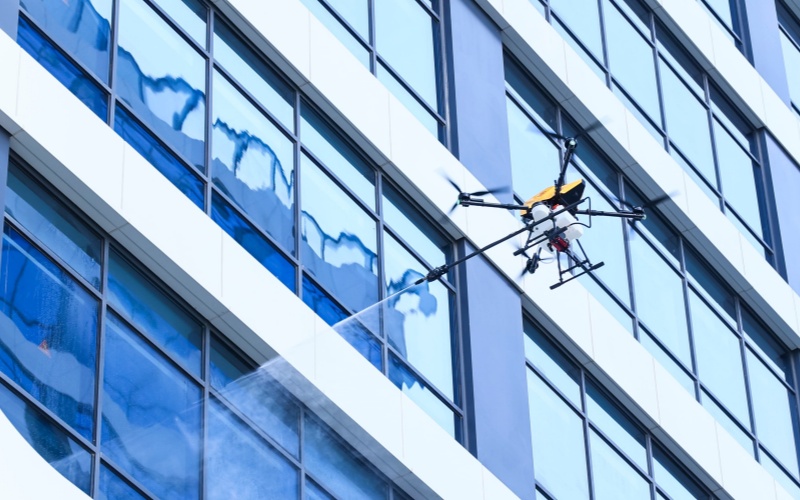
(1) How: The cleaning drone carries all its water.
(2)Height/Impact: Weight limits climb. Constant refills kill efficiency. Best for low/mid-rises (under ~20 stories). Short cleaning bursts up high.
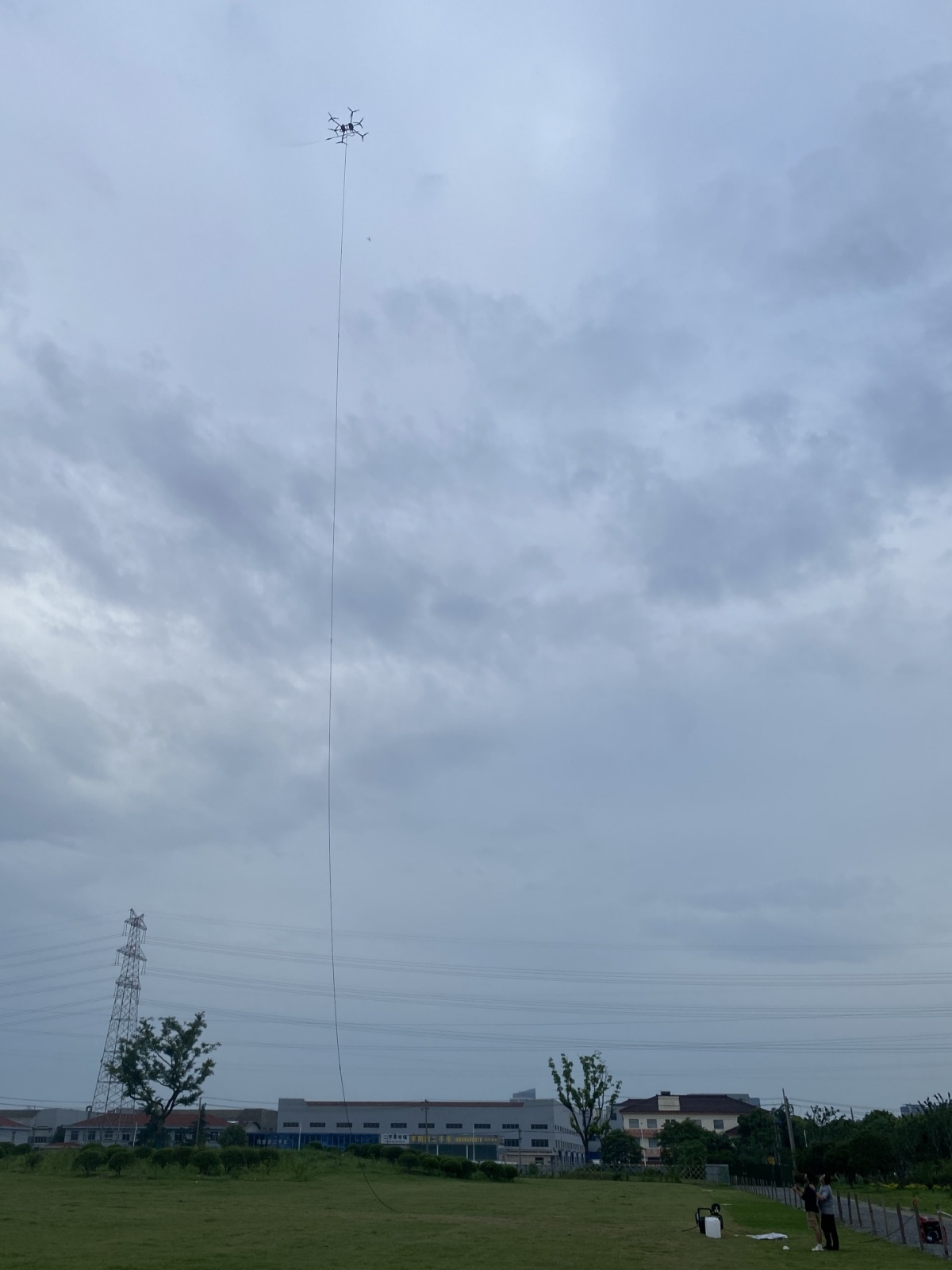
2, Ground Hose (Tethered):
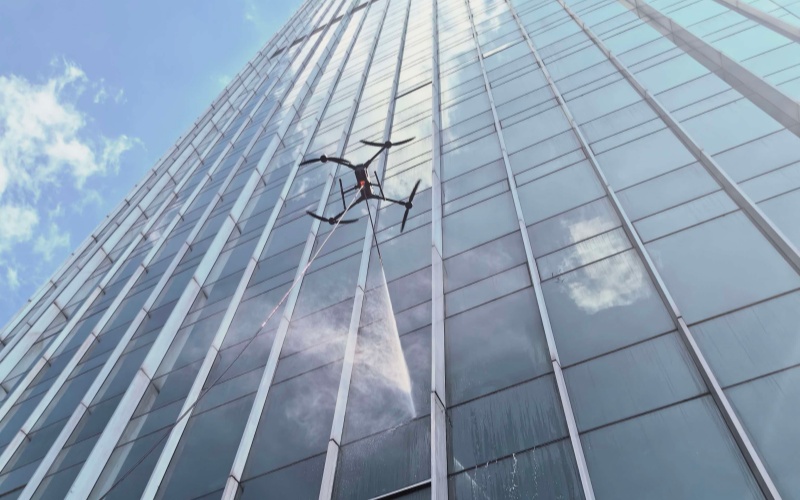
(1)How: A hose pumps water directly up to the drone. (Note: True pressure washing drones are rare for glass due to damage risk).
(2)Height/Impact: The hose weight and drag are massive anchors. Struggles beyond ~30 stories. Maneuverability suffers, draining power quickly.
3, Hybrid System (Tank + Tether):
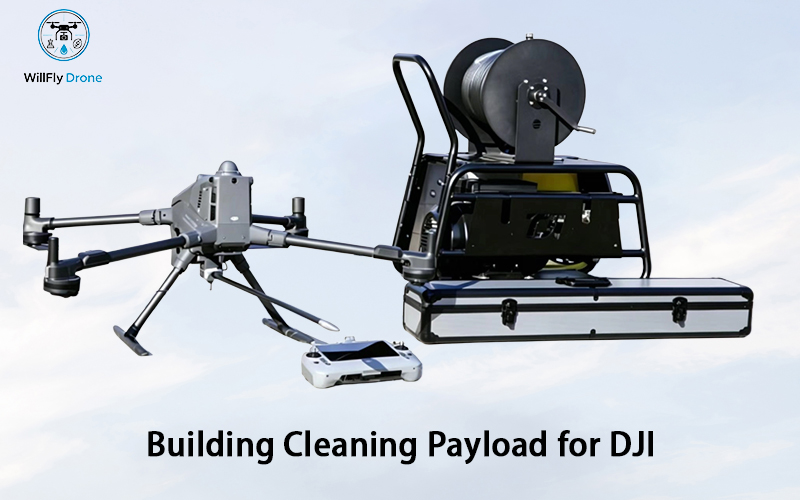
(1)How: A lightweight tether refills a small onboard tank mid-flight and provides power.
(2)Height/Impact: Tackles the water and power problem. Reaches 60+ stories effectively. The tether is lighter than a hose, enabling sustained drone cleaning at height.
The Bottom Line
So, how high can window cleaning drones fly? It depends heavily on the water system. While tech and rules matter, getting water up there is the real decider.
(1)Tank-only drones: Great for shorter buildings.
(2)Hose-tethered drones: Too heavy for serious heights.
(3)Hybrid drones: The clear winner for high-rise drone window cleaning. They offer the best shot at washing those upper floors efficiently.
The Takeaway
For window washing drones to truly transform skyscraper cleaning, focus must stay on refining hybrid systems. We also need clearer rules for high-altitude flights and smarter, water-efficient cleaning gear. The future isn't just about how high a cleaning drone can fly – it's about how high it can reliably get the job done. That’s the real goal for drone window cleaning.
Need a Solution?
Tell us your drone model, application and operating requirements. WillFly Drone will help confirm compatibility and recommend the right cleaning configuration.
Related Product
Drone High-Pressure Cleaning Payload Kit for DJI M400 & FC100