Drone Window Cleaning Startup Costs
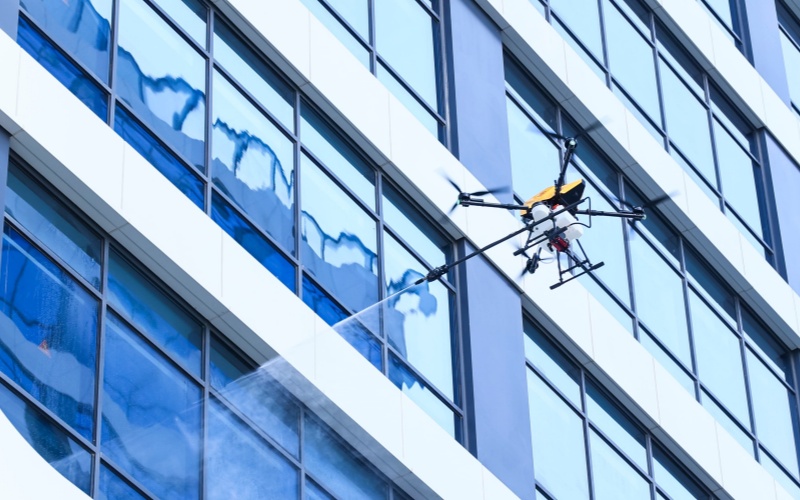
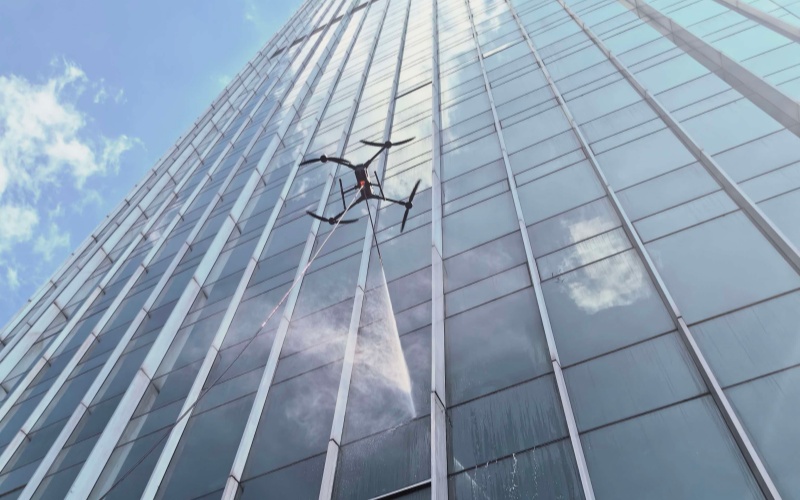
Picture the setup: window cleaning drones working down a skyscraper facade, solar arrays back to full output after a wash, and you running the whole operation from the ground. The drone window cleaning and solar panel cleaning markets are growing fast. But before you commit money, you need a clear picture of what starting up actually costs. Here is where the capital really goes.
1. Your Aerial Fleet: The Backbone (25-40% of Startup Costs)
Professional-grade drones:
Skip consumer models. A working window cleaning or pressure washing drone system needs:
High payload capacity (for water and cleaning solution)
Precision nozzles and stabilization — critical when operating close to glass
Tethers for safety and range extension
Expect $15k-$50k+ per unit.
Redundancy = reliability:
Always budget for a backup drone. When your only aircraft is down, clients are waiting.
Customization costs:
Off-the-shelf units rarely fit the job as delivered. Plan for modifications: mounting brackets, nozzle upgrades and tether points for pressure washing setups.
2. Brains in the Sky: Pilot Costs (25-35% of Ongoing Expenses)
Skilled labor isn't cheap:
Certified commercial pilots command solid salaries (benefits, insurance and overtime included), and they need real expertise in:
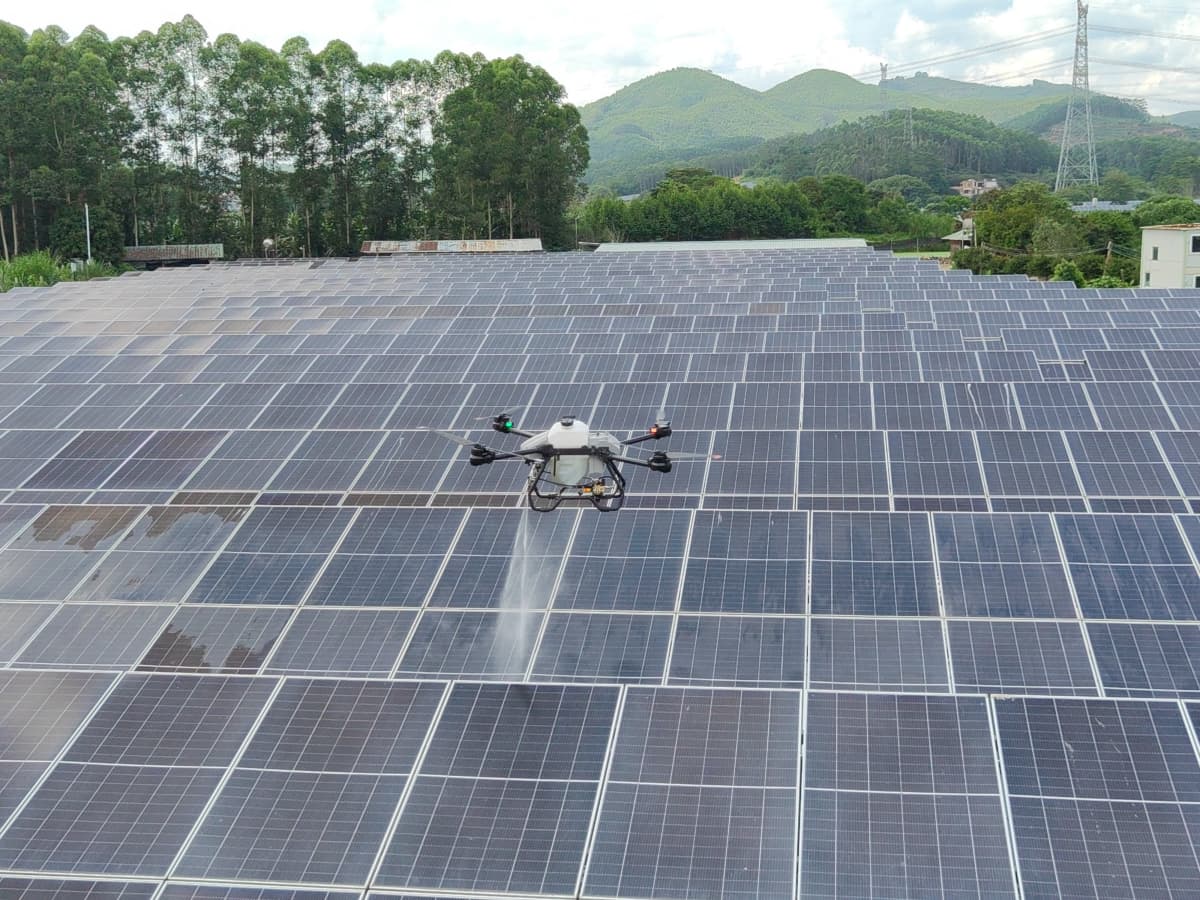
Drone solar panel cleaning techniques
Drone roof cleaning safety protocols
Complex exterior surface cleaning
Continuous training:
Recurrent training on new equipment, regulations and specialized skills — such as cleaning solar panels efficiently — is part of the ongoing bill.
3. Power and Consumables: The Hidden Drain (15-25% Monthly)
Batteries:
The number one recurring cost. Heavy-lift cleaning drones go through expensive batteries quickly (300-500-cycle lifespan). Budget $5k-$10k per year, per drone, for replacements.
Cleaning chemistry:
Eco-friendly solutions formulated for glass, PV panels or roofs add up fast at operating volume.
Electricity and water systems:
Purification systems for pressure washing operations (clogged nozzles will cost you a workday)
Heavy power draw from daily battery charging
4. Ground Support: The Logistical Lifeline (10-20%)
Transport vehicles (vans/trucks)
Water tanks, pumps and hoses
Tether systems for high-rise work
Maintenance and repair kits (crashes happen)
Key takeaway: cut corners on the fleet or the pilots, and expect crashes — literal and financial.
Need a Solution?
Tell us your drone model, application and operating requirements — contact WillFly Drone and we will help confirm compatibility and recommend the right cleaning configuration. Startup costs are only the first half of the picture; Part 2 of this series breaks down equipment costs in detail.
Related Product
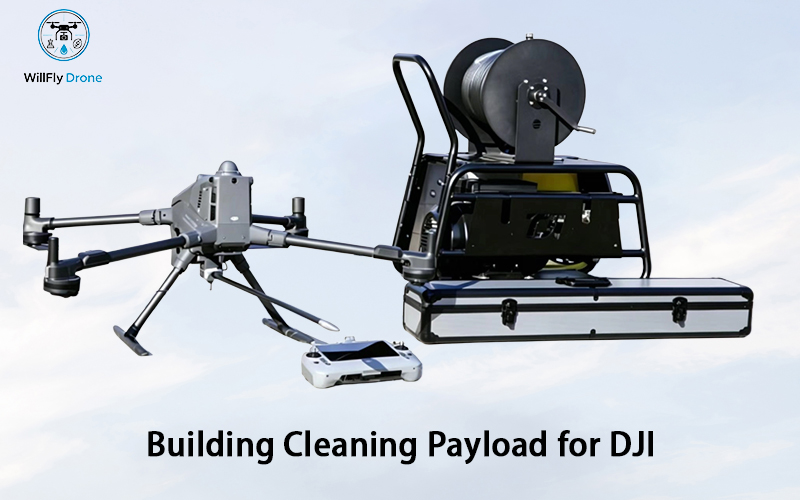
Drone High-Pressure Cleaning Payload Kit for DJI M400 & FC100